
Welcome, fellow adventurers, to the mesmerising world beneath the surface of Mauritius’ azure waters. Today, we embark on a thrilling journey to uncover the secrets of one of nature’s most spectacular creations—the coral reefs.
Imagine diving into a world of vibrant colours, bustling with life, where every twist and turn reveals a new wonder. This is the realm of coral reefs, where beauty and biodiversity converge to create an underwater paradise.
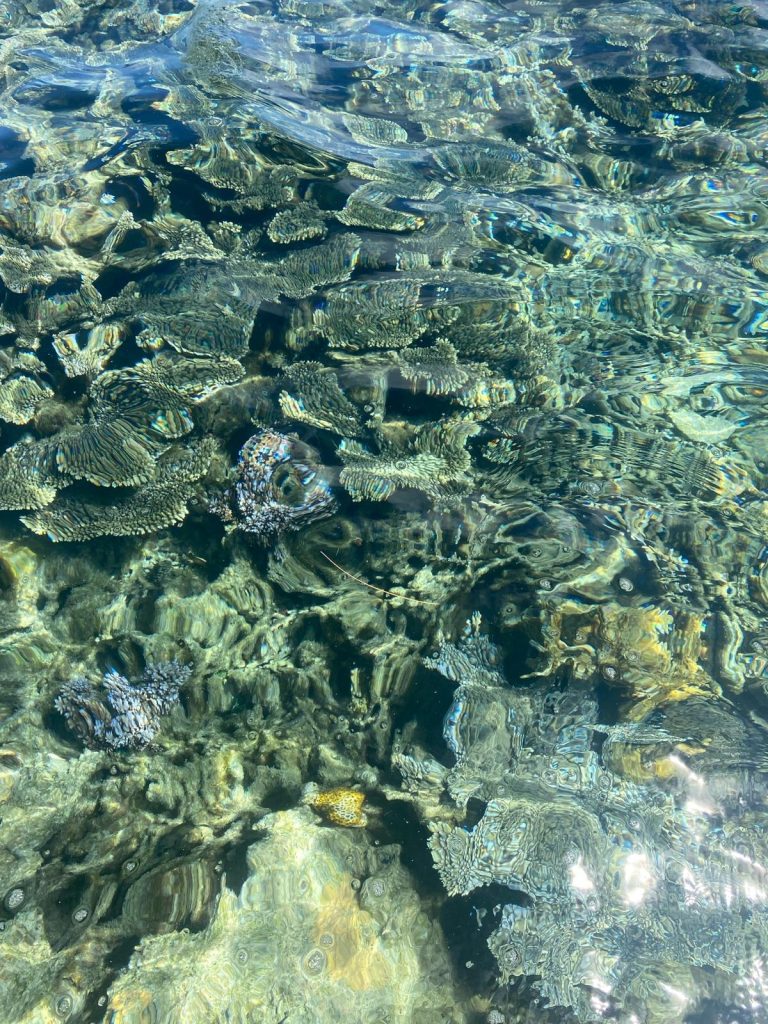
Types of Coral Reefs: Before we plunge into the depths, let’s familiarise ourselves with the different types of coral reefs that grace our oceans:
- Fringing Reefs: These reefs hug the shorelines of continents and islands, forming a vibrant border between land and sea.
- Barrier Reefs: Found further offshore, these reefs run parallel to the coastline, creating a barrier between the open ocean and the shallow lagoon.
- Atolls: Circular or oval-shaped, atolls are formed from the subsidence of volcanic islands, leaving behind a central lagoon surrounded by a ring of coral reefs.
Ecosystem Services of Coral Reefs: Coral reefs are not just pretty to look at; they are vital ecosystems that provide a multitude of services to our planet:
- Biodiversity Hotspots: Coral reefs support an astonishing array of marine life, from tiny fish to majestic sea turtles. They provide habitat, breeding grounds, and shelter for countless species.
- Fisheries and Food Security: Many coastal communities rely on coral reefs for their livelihoods. The reefs serve as nurseries for fish and other marine species, supporting local fisheries and ensuring a stable food source for millions of people.
- Coastal Protection: Coral reefs act as natural barriers, protecting coastlines from storms and erosion. Their complex structure absorbs wave energy, reducing the impact of hurricanes and typhoons on coastal communities.
- Tourism and Recreation: Coral reefs are popular destinations for tourists, attracting millions of visitors each year. Snorkelling, scuba diving, and eco-tourism contribute to local economies and raise awareness about the importance of reef conservation.
Formation of Coral Reefs:
Now, let’s dive deeper into the fascinating process of coral reef formation. Coral reefs are built by tiny organisms called coral polyps, which secrete calcium carbonate to create hard skeletons. Over time, these skeletons accumulate, forming the intricate structures we recognise as coral reefs. It’s a slow and delicate dance between the corals, environmental conditions, and time, creating some of the most diverse ecosystems on Earth.
Coral Reefs as Guardians of the Ocean:
One of the most remarkable aspects of coral reefs is their role as guardians of the ocean. The intricate structure of the reefs creates a complex and challenging environment for potential threats, including sharks. From the safety of the reefs, marine life can thrive, and coastal communities can enjoy the benefits of these natural barriers.
The Origins of Beach Sand:
Did you know that Mauritius’ beaches’ soft, golden sands have a fascinating origin intricately tied to coral reefs? Coral skeletons break down over time due to physical weathering, biological processes, and the ocean’s constant movement, resulting in finely crushed coral, shells, and other organic debris that form the foundation of our sandy shores.
Conclusion:
As we conclude our journey into Mauritius’ coral reefs, let us marvel at the wonders of these underwater worlds and their vital role in our planet’s health and biodiversity. Let this adventure inspire us to appreciate and protect these precious ecosystems, ensuring that future generations can continue to explore and enjoy their beauty.
Leave a Reply